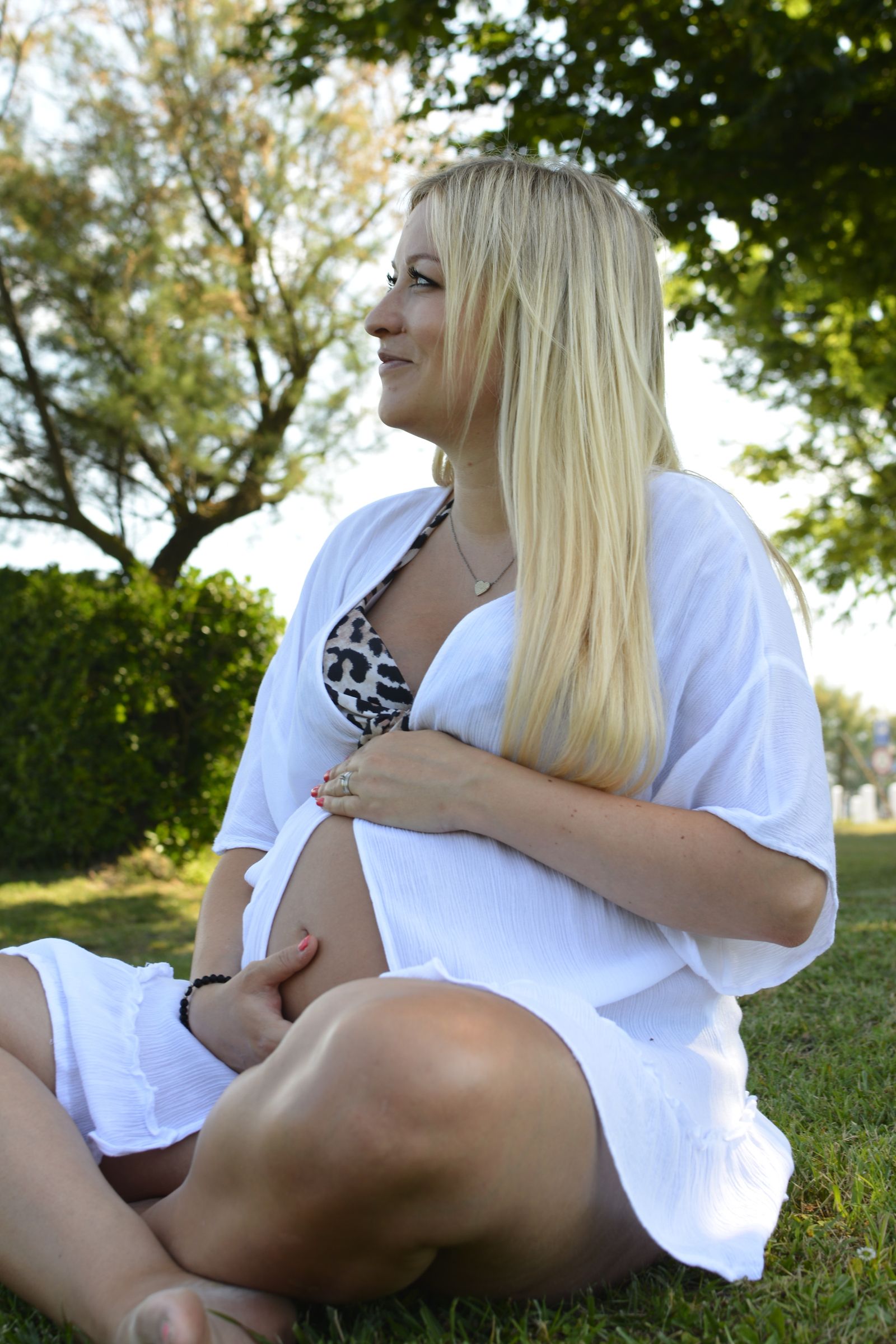



What to Eat When You're Expecting: The Evidence, Not the Myths
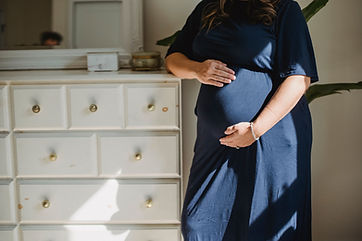
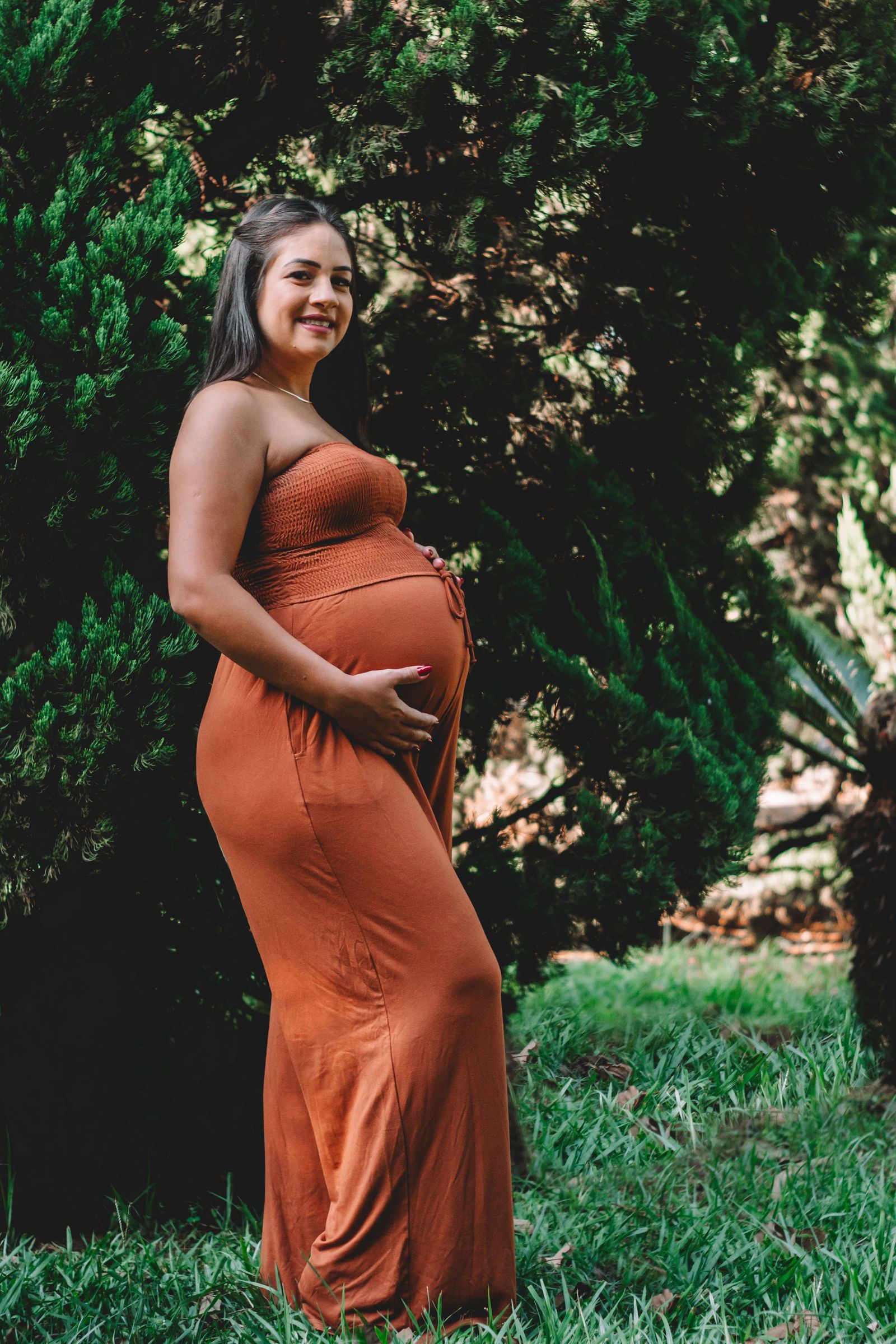
Pregnancy nutrition is surrounded by fear and folklore. The actual science is simpler, and far more forgiving, than the endless lists of forbidden foods suggest.


The debate is loud, but the actual evidence on sleep training is, once again, more reassuring than the cultural conversation suggests.
By MudLittle Contributor

By MudLittle Contributor

By MudLittle Contributor

By MudLittle Contributor

By MudLittle Contributor

Pregnancy nutrition is surrounded by fear and folklore. The actual science is simpler, and far more forgiving, than the endless lists of forbidden foods suggest.

The exhaustion and nausea of early pregnancy are the visible cost of some of the most intense biological work your body will do. Here is what the evidence says helps.

The old advice to rest is gone. The modern evidence is clear that exercise in pregnancy is safe, and it counts among the most useful things you can do for yourself and your baby.

Forgetfulness, vivid dreams, and a rewired sense of smell, pregnancy changes the brain. The science is fascinating, and far less alarming than it sounds.

Prenatal appointments run short. Two written questions, asked well, do more than a list of everything you have ever wondered.

It starts before breakfast, peaks in the late afternoon, and has a few treatments with real evidence behind them. The rest is folklore.
“You are not teaching a lesson during a tantrum. You are the lesson — by staying calm when they cannot.”From “The Science of Toddler Tantrums”

MudLittle began as a notebook passed between a pediatrician and a sleep-deprived parent. It became a journal — a place where evidence meets the messy, beautiful reality of raising a tiny human.
We believe the early years deserve more than noise. So we write slowly, we cite our sources, and we keep your heart in mind.
Read our story